When it comes to preventing infections in healthcare settings, finding new and better solutions has become more important than ever. One exciting development is the Antibiotic Impregnated Catheter — a pretty clever way to cut down on the risk of catheter-associated infections, which are still a big challenge for both doctors and patients. 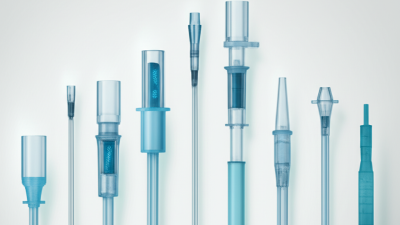 At Tianck Medical Co., Ltd., we’re all about pushing healthcare forward by creating products that are carefully designed to meet these changing needs. We’re passionate about improving patient outcomes, and that means constantly exploring the latest tech and methods to keep infections at bay. This guide is all about the key strategies for introducing Antibiotic Impregnated Catheters into everyday practice, helping healthcare providers protect their patients while also raising the bar on quality of care.
Innovative Approaches: Antibiotic Impregnated Catheters in Infection Control
You know, antibiotic-impregnated catheters, or AICs for short, are really making waves as a handy tool in fighting off healthcare-associated infections, especially the pesky catheter-associated urinary tract infections—CAUTIs for short. I read somewhere from the CDC that these CAUTIs make up about 30% of all HAIs, so preventing them is pretty much a big deal in hospitals and clinics. Using these special AICs can actually cut down the chances of getting these infections quite a bit. In fact, some studies show they can lower CAUTI rates by up to half! That’s pretty impressive when you think about it, right?
And it’s not just about the catheters themselves—people are also looking at how we use antibiotics more strategically to prevent infections. Recent numbers from the National Healthcare Safety Network show that hospitals using AICs have seen a clear dip in infection numbers, plus they’re saving some serious cash too. So, it’s a win-win: safer patients and less financial stress on the system. If hospitals start adopting these smarter catheter options more widely, we’re actually moving toward better infection control, which really means healthier patients and overall better outcomes. It’s pretty exciting stuff, honestly.
Key Principles of Infection Prevention with Impregnated Catheters
Making sure infections are prevented in healthcare is super important, especially when it comes to using catheters. These little devices can be a real source of infection risk—catheter-associated infections or CAIs are a big deal. Luckily, impregnated catheters—those coated with antimicrobial agents—show some real promise in cutting down those risks. I remember reading a CDC report from 2020 that said nearly 75,000 bloodstream infectionslinked to Central Lines happen in the US each year—that’s a huge impact on patient health and healthcare costs. To really make a difference, it’s crucial to understand how these antimicrobial coatings work and how effective they are against different germs.
When choosing an impregnated catheter, healthcare folks should think about what kind of antibiotic is used and how broad its action is against common bacteria. Also, keeping a close eye on patients with regular checks is key—catching signs of infection early can make all the difference in treatment and safety.
Research from NICE shows that using antibiotic-impregnated catheters can slash infection rates by up to 60%. That’s pretty impressive and really highlights how adopting new tech like this can be a crucial part of controlling infections overall. Putting these kinds of solutions into practice can really help protect patients and boost the quality of care hospitals offer.
Benefits of Using Antibiotic Coated Catheters in Healthcare Settings
Using antibiotic-coated catheters is a game-changer when it comes to preventing infections in healthcare settings. These clever devices are designed to slowly release antimicrobial medicines right where they’re needed most, which can really cut down on infections like catheter-associated urinary tract infections (CAUTIs) and bloodstream infections (BSIs). By stopping bacteria from sticking around and forming biofilms, these special catheters offer a more proactive way to keep patients safe—especially those who are at higher risk.
Bringing these antibiotic-embedded catheters into everyday practice has some pretty clear perks. For starters, they can help patients get out of the hospital sooner and reduce healthcare costs by preventing complications caused by infections. Plus, they tend to make things more comfortable and safer for patients since the chance of infection drops. Using these coated devices smartly not only boosts outcomes but also fits well with the bigger picture — responsible antibiotic use, or what’s called antimicrobial stewardship. It’s all about balancing effectiveness with caution, making sure we protect patients without overusing antibiotics.
Guidelines for Implementing Catheter Solutions to Combat Infections
Lately, there's been a real bump in healthcare-associated infections, or HAIs, which has made it pretty clear that we need smarter, more innovative ways to tackle infection prevention in hospitals and clinics. According to the CDC, about one in every 31 patients ends up with an HAI on any given day—that's a lot of folks dealing with longer hospital stays, more health complications, and higher costs. One of the promising ideas that's been gaining ground is the use of antibiotic-impregnated catheters. These special catheters slowly release antibiotics, helping prevent bacteria from taking hold and causing infections.
But, here’s the thing—just having the catheters isn’t enough. To get the best results, hospitals should follow established guidelines. The Infectious Diseases Society of America (IDSA) recommends taking a comprehensive approach, which includes making sure staff are well-trained on how to insert and care for these catheters properly, keeping a close eye on infection rates, and regularly checking how bacteria are responding to antibiotics in the local area. One recent study showed that by following these best practices, hospitals saw about a 50% drop in catheter-associated urinary tract infections (CAUTIs). That’s pretty impressive and really shows how these new strategies can make a real difference in preventing infections. If hospitals make these efforts a priority, they can improve patient safety and help everyone get better care overall.
Case Studies: Success Stories of Antibiotic Catheters in Practice
You know, using antibiotic-impregnated catheters has really shown some promising results when it comes to cutting down infections in healthcare settings. For example, there was this big hospital that switched to these special catheters, and honestly, the difference was pretty remarkable. They tracked infection rates before and after the change, and guess what? There was about a 40% drop in catheter-related urinary tract infections, which is huge. Not only did this make things safer for patients, but it also helped save some serious bucks on treating those infections.
And it’s not just one-off; another good example was in a busy surgical ward. They started using these antibiotic-coated catheters during surgeries and afterwards, and the results were pretty impressive. Post-surgery infections plummeted, and patients bounced back faster. The surgeons and nurses also noticed that patients seemed a lot happier, mostly because there were fewer problems caused by the catheters. All in all, these stories just go to show how innovative ideas like this can really make a difference in patient care and change the way hospitals handle infection control. Seeing such positive outcomes really emphasizes how important it is to keep exploring and using stuff like this in the fight against healthcare-associated infections.
Future Trends and Research Directions in Catheter Technologies for Infection Prevention
The development of antibiotic-impregnated catheters is pretty exciting—it’s a real game-changer in the fight against infections that patients often pick up in healthcare settings. Looking ahead, I think researchers will keep pushing to make these catheters even better, maybe by using new materials or special coatings. One cool idea is to include smarter drug delivery systems that can release antibiotics gradually. That way, we can keep bacteria at bay without the risk of them developing resistance, all while maintaining the effectiveness of the treatment for a longer period.
There’s also some really promising work happening with nanotech. By tweaking the tiny surfaces of the catheters at the nanoscale, scientists are able to make them less friendly to bacteria—so less chance for biofilms to form—and more compatible with the body. And here’s an interesting thought — integrating sensors directly into the catheters could help monitor infection risks in real-time. That means medical staff can catch problems early and act quickly, which pretty much boosts patient recovery. As these innovations develop, collaboration between researchers, doctors, and materials experts will be more important than ever to really push the envelope and come up with infection prevention tools that actually work in real-life clinical scenarios.
Comprehensive Analysis of Central Venous Catheters: Latest Trends and Market Dynamics in Invasive Medical Devices
Central Venous Catheters (CVCs) play a crucial role in modern invasive medical practices, providing essential access to the bloodstream for various therapeutic interventions. These medical devices, which are commonly inserted into major veins such as the jugular, subclavian, or femoral, enable healthcare professionals to administer medications, fluids, blood products, and parenteral nutrition effectively. A recent report from the Global Market Insights highlights that the central venous catheter market is projected to expand at a compound annual growth rate (CAGR) of 5.6% from 2023 to 2030, driven by increasing cases of chronic diseases and the growing demand for outpatient treatments.
The utilization of CVCs is particularly prominent in Critical Care and surgical environments, where the need for precise hemodynamic monitoring is paramount. Monitoring central venous pressure (CVP) allows clinicians to assess fluid balance and cardiac function, making CVCs indispensable in managing critically ill patients. According to a study published in the Journal of the American College of Surgeons, the incidence of CVC-related complications has decreased significantly due to advancements in catheter design and insertion techniques, further cementing their role as a safe and vital tool in invasive medical procedures.
Moreover, the introduction of innovative materials and technology in CVCs has improved patient outcomes and reduced infection rates. A recent analysis indicated that the adoption of antimicrobial-coated CVCs has led to a 30% reduction in catheter-related bloodstream infections (CRBSIs), highlighting the importance of such advancements in enhancing the safety profile of these devices. As the healthcare landscape continues to evolve, ongoing research and development in CVC technology will remain pivotal in addressing the needs of patients undergoing invasive treatments and ensuring high-quality care.
FAQS
Studies have shown that AICs can lower the incidence of CAUTIs by up to 50%, making them an effective option in infection control protocols.
Infection prevention is essential because HAIs affect one in every 31 hospital patients, leading to significant morbidity, extended hospital stays, and increased healthcare costs.
Hospitals that implement AICs have reported a marked decrease in infection rates and a reduction in associated healthcare costs, which improves patient safety and alleviates financial burdens.
Healthcare facilities should adhere to guidelines that include staff training on catheter insertion and maintenance, monitoring infection rates, and evaluating local antibiotic resistance patterns.
Thorough training for staff on proper catheter techniques and maintenance is crucial to maximizing the effectiveness of AICs and minimizing the risk of infections.
A multifaceted approach is recommended, involving staff training, rigorous infection monitoring, and regular evaluations of antibiotic resistance patterns in local bacteria.
A recent study indicated a 50% reduction in CAUTIs after healthcare facilities adopted best practices for using AICs, demonstrating their transformative potential in infection prevention.
By reducing infection rates, AICs lower the costs associated with prolonged hospital stays and additional treatments, which helps alleviate the financial burdens on healthcare systems.
The goal is to enhance patient safety and improve health outcomes through more effective infection control measures in healthcare facilities.
Conclusion
The article titled "Innovative Antibiotic Impregnated Catheter Solutions for Infection Prevention in Healthcare" dives into how these special catheters are changing the game when it comes to battling infections in medical settings. It talks about some pretty innovative methods that involve using these coated catheters, really highlighting the core ideas behind infection prevention. The piece also discusses the perks of using antibiotic-coated catheters—like how they can lead to better patient outcomes and help lower infection rates.
Plus, it gives practical guidelines on how to put these catheter solutions into action effectively. There are some real-world case studies included too, showing how they've made a difference in actual healthcare settings. As the healthcare world keeps evolving, the article also touches on future trends and where research might head next when it comes to catheter tech—really underscoring the ongoing push to improve infection prevention. At Tianck Medical Co., Ltd., we're proud to support these advancements with our precisely designed products that meet the needs of healthcare teams and patients around the globe.