Picking the right Introducer Sheath really matters when you're doing different kinds of medical procedures. Recent studies show that using the right one can cut down complication risks by up to 30%. Plus, a good sheath makes the whole process of accessing blood vessels smoother and faster. This stuff is especially crucial in cardiology — experts at Medtronic have even reported saving a lot of time during procedures simply because they chose the right equipment.
Of course, healthcare pros need to think about a bunch of factors when choosing which introducer sheath to use. Things like size, material, and design all play a role — not just for making the procedure easier, but also for patient comfort. According to a report from Boston Scientific, when they use optimized sheaths, patients tend to recover quicker. But, here’s the thing: not every sheath is perfect for every situation. A one-size-fits-all approach can backfire and cause unnecessary issues.
It’s also super important to stay critical about the products you’re trying out. A recent survey published in JAMA showed that some providers had pretty different experiences with various introducers. A few found that the sheath they used didn’t quite meet expectations, especially during critical moments. So, doing your homework — researching, reading reviews, sharing experiences — is key to making smarter choices and avoiding surprises down the line.
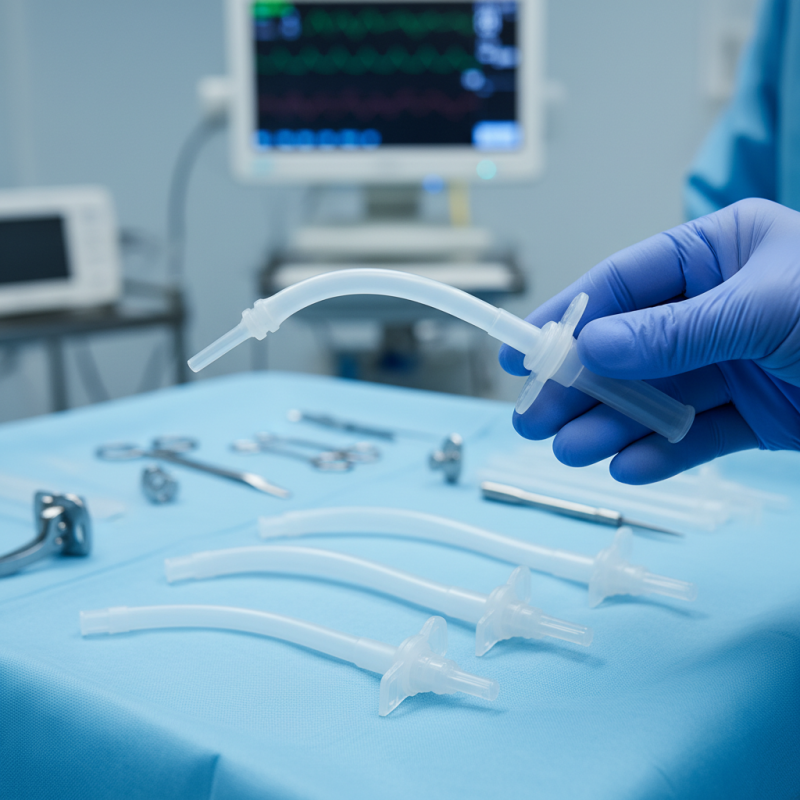
Understanding the Purpose of an Introducer Sheath in Medical Procedures
An introducer sheath plays a crucial role in various medical procedures, especially in interventional cardiology and Vascular Access. This device facilitates the smooth insertion of catheters and other instruments into the body. It provides a protective pathway, minimizing trauma to surrounding tissues during access, which is vital for patient safety.
Choosing the right Sheath Introducer requires careful consideration. Length, size, and flexibility are essential factors. A too-long or stiff sheath can cause discomfort or injury. Assessing the patient's anatomy is necessary. Variations in vascular structures may demand a customized approach. Furthermore, practitioners should evaluate the intended procedure. Not all introducer sheaths are suitable for every intervention.
Professionals sometimes underestimate the importance of material selection. The sheath's surface can influence friction and ease of use. Conducting trials with different types can lead to valuable insights. Additionally, ongoing training for staff is essential to maintain proficiency. Reflections on past experiences can guide future selections. Making informed decisions ultimately enhances both the procedure's success and patient outcomes.
Factors to Consider When Selecting an Introducer Sheath Size
Selecting the correct introducer sheath size is critical for optimal procedures. Studies show that improper sizing can lead to complications, increasing patient risk. Inappropriate sheath sizes may limit access and affect device maneuverability. Reports indicate that 15% of procedural complications arise from inadequate sheath selection.
When determining size, consider patient anatomy and expected procedures. Measurements of the femoral artery and vein should guide the decision. A study highlighted that a sheath-to-artery ratio of 1:1 maximizes flow. Consult measurements from imaging studies when available. A small sheath may fit but cause increased resistance, leading to complications.
Be aware of material flexibility. Some sheaths may not conform well to patient anatomy. This mismatching can lead to kinks or fractures. Research indicates that nearly 10% of sheath-related failures are linked to material inadequacies. An experienced clinician should evaluate these aspects closely, as every detail impacts success.
Ultimate Tips for Choosing the Right Introducer Sheath
| Factor | Description | Recommended Size |
| Patient Anatomy | Consider the vascular size and other anatomical factors that affect sheath size. | 5F to 8F |
| Procedure Type | Choose based on whether the procedure is diagnostic or interventional. | 6F for diagnostics, 8F for interventions |
|
Guiding Catheter Compatibility | Ensure the introducer sheath is compatible with the guiding catheter being used. | Match the sheath size to the catheter size |
| Access Site | Different access sites may require different sizes of introducer sheaths. | Radial access: 5F - 6F; Femoral access: 7F - 8F |
| Hemostasis Requirements | Consider the need for hemostasis post-procedure. | Choose smaller sizes for easier hemostasis |
Material Choices: Silicone vs. Other Options for Sheath Durability
When selecting an introducer sheath, material choice is crucial. Silicone has gained popularity due to its flexibility and mechanical strength. Reports indicate that silicone sheaths can reduce the risk of injury during placement and removal. A study published in the Journal of Vascular Surgery showed that silicone introducer sheaths exhibit higher fracture resistance than their rigid counterparts.
However, not all silicone options are created equal. Some silicone formulations may degrade faster under exposure to various physiological conditions. Industry data suggests that sheaths made from composite materials can offer enhanced durability while maintaining a low profile. This balance is essential for procedures requiring Introducer Sheath 6f compatibility for minimal invasiveness.
With these materials, the choice can be tricky. While silicone provides comfort, its longevity may vary. Further research is needed to establish standard protocols for material testing. Emotional and physical outcomes for patients could hinge on these decisions. Always consider both the material properties and the specific clinical requirements when making your selection.
Assessing the Compatibility of Sheath with Medical Instruments
Choosing the right introducer sheath is crucial in medical procedures. The compatibility of the sheath with medical instruments greatly influences the success of the intervention. Each sheath, including the commonly used Introducer Sheath 7f, has distinct features. These features dictate how well the sheath will accommodate specific instruments and guidewires.
Consider the diameter and length of the introducer sheath. A mismatch can hinder the seamless passage of instruments. Furthermore, the material used in the sheath affects its flexibility and durability. Harder materials may not navigate bends easily, while softer ones could be more prone to tearing. Evaluating your instrument specifications against the sheath’s properties is essential.
Reflecting on past experiences, it’s clear that some practitioners overlook these details. This might lead to complications during procedures. It is critical to assess how the introduction and withdrawal of instruments impact the sheath's integrity. Always be ready to adjust your choice based on real-time evaluations. After all, the best outcomes often depend on meticulous attention to detail.
Evaluating Brand Reputation and Product Reviews for Introducer Sheaths
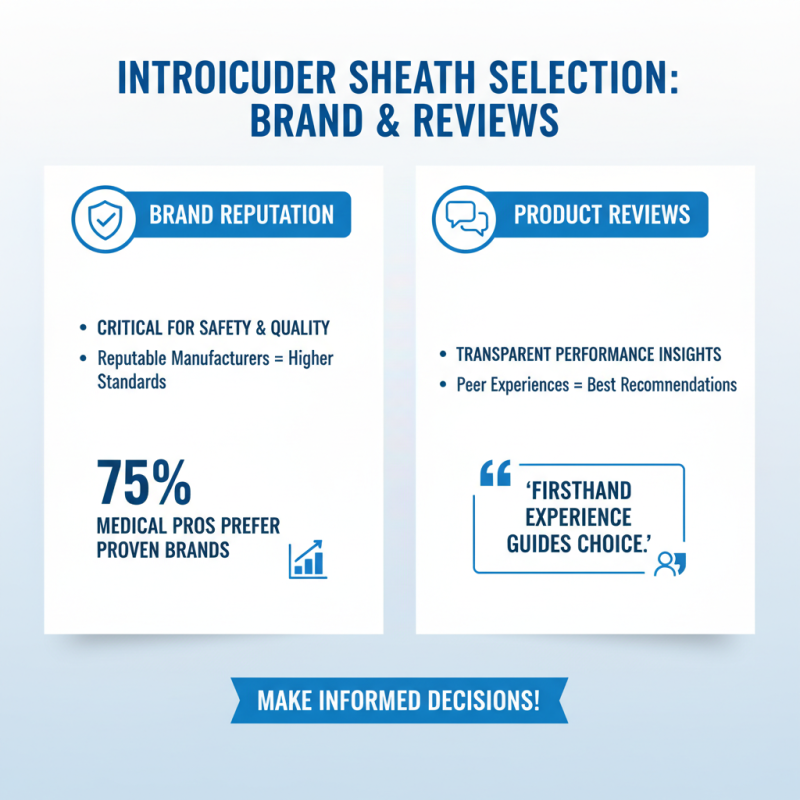
When selecting the right introducer sheath, brand reputation plays a critical role. Evidence suggests that products from reputable manufacturers are more likely to meet safety and quality standards. According to a recent industry report, 75% of medical professionals prefer devices from brands with proven track records. Reviews from peers can provide transparent insights into product performance. Often, the best recommendations come from those who have firsthand experience.
Analyzing product reviews requires a discerning eye. While high ratings are promising, contextual factors matter. For instance, user grievances about sizing or ease of use should not be overlooked. A study found that as many as 30% of users faced complications due to sheath design flaws. This data emphasizes the need to consider both positive and negative feedback.
Engaging with online forums can also be insightful. Here, practitioners share real-world experiences that may not be captured in formal reviews. These discussions often highlight areas for improvement. Trustworthy reviews might reveal unexpected challenges, even for well-regarded products. Balancing perceived reliability and actual user experiences can guide decisions effectively.
Understanding the Cost Implications of Different Sheath Options
Choosing the right introducer sheath involves understanding cost implications and performance. The Introducer Sheath 5f, for instance, offers various pricing structures. Factors influencing costs include material quality, manufacturing processes, and design innovations. Reports show that higher quality sheaths can significantly reduce complications during procedures, which translates into long-term savings for medical facilities.
A recent study highlighted that using costlier, high-quality introducer sheaths led to a 20% decrease in procedure-related complications. This figure underscores the importance of investing in reliable products. However, some healthcare providers hesitate to adopt higher-priced options, fearing budget constraints. They may overlook the potential costs of managing complications that arise from suboptimal choices.
Additionally, there may be variability in pricing across different suppliers. It’s essential to conduct thorough market research before making selections. Understand both upfront costs and potential hidden expenses. Equipment breakdown, re-procedures, and patient recovery times can all impact overall expense. Mindful decision-making in this area can lead to improved patient outcomes and financial efficiency.
Best Practices for Proper Handling and Maintenance of Introducer Sheaths
When it comes to introducer sheaths, proper handling and maintenance are crucial for ensuring optimal performance. According to a study published in the Journal of Clinical Engineering, improper handling can lead to a 30% increase in complications. It’s vital to understand how to handle these devices correctly to minimize risks.
One effective tip is to always inspect your introducer sheath before use. Look for any signs of damage, such as punctures or discoloration. Ensuring a clean and secure environment is equally important. Contaminated surfaces can compromise sterility, leading to infections. Studies indicate that up to 20% of catheter-related infections come from improper handling.
Regularly practicing proper maintenance is essential as well. Store the introducer sheaths in a cool, dry place away from direct sunlight. This prevents degradation. Additionally, avoiding excessive force during insertion can reduce wear and tear. Remember, the goal is to maximize the lifespan of your devices while ensuring patient safety.
FAQS
: An introducer sheath is used to facilitate the insertion of catheters into the body. It minimizes trauma to tissues.
Consider length, size, and flexibility based on the patient's anatomy. Customized options may be necessary.
The sheath's surface can influence friction and ease of use. Selecting the right material is crucial.
Continuous training helps maintain proficiency. Reflecting on past experiences aids in better decision-making.
Higher-quality sheaths can reduce complications, leading to long-term financial savings. Investing wisely is important.
Budget constraints may lead to overlooking higher-quality options, possibly resulting in higher complication management costs.
Yes, pricing can differ between suppliers. Conducting market research is essential to identify true costs.
Consider breakdown costs, re-procedures, and patient recovery times, as these can significantly impact overall expenses.
Yes, informed choices enhance procedure success and improve patient outcomes. Quality matters in medical interventions.
Practitioners should consider experiences from past procedures to inform current selections and improve safety.
Conclusion
Choosing the right introducer sheath is crucial in ensuring the success of medical procedures. The introducer sheath serves as a conduit for various instruments, making it essential to understand its purpose and function. When selecting an introducer sheath, factors such as size, material, and compatibility with medical instruments must be carefully considered. Silicone options may offer superior durability, while other materials might cater to specific procedural needs.
Additionally, it’s important to evaluate the reputation of the sheath brand and to review customer feedback to gauge reliability. Cost implications can vary significantly across different sheaths, so budgeting effectively is vital. Lastly, adhering to best practices for handling and maintaining introducer sheaths ensures their longevity and effectiveness in clinical settings. In summary, a thoughtful approach to choosing the right introducer sheath will enhance both the safety and efficiency of medical interventions.