

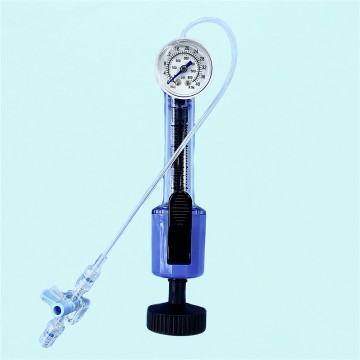
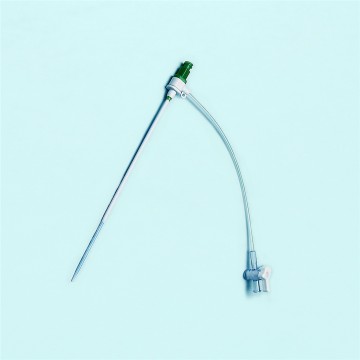
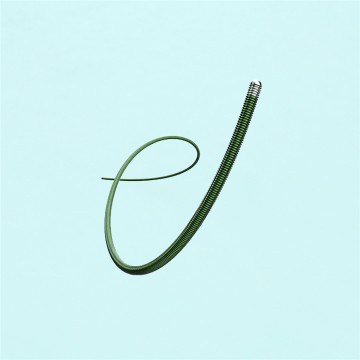
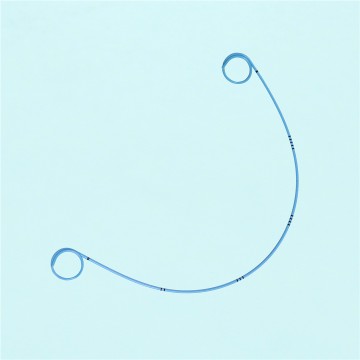
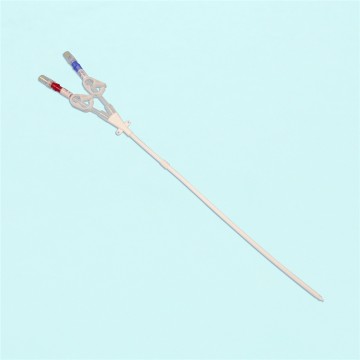

Urethral Dilator Set
A Urethral Dilator Set is a medical device kit used to gently stretch and widen the urethra to treat or manage a narrowing, known as a urethral stricture. It is a core tool in urology for restoring a functional urine flow.

Urethral Dilator Set-S Curved
An S-Curved Urethral Dilator Set is a rigid or semi-rigid medical instrument with a pronounced double curve, designed to match the natural anatomical contour of the male urethra. Unlike straight dilators, its specific shape allows for safer and more effective dilation of the deeper portions of the urethra, particularly the bulbar and membranous regions.
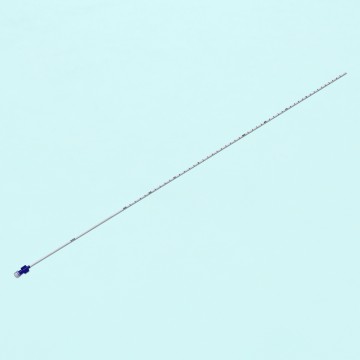
Ureteral Catheter
A ureteral catheter is a long, thin, flexible, hollow tube designed to be passed through the bladder and into the ureter—the tube connecting the kidney to the bladder. Its primary functions are to drain urine from the kidney, bypass obstructions, or serve as a conduit for diagnostic procedures and instrumentation.
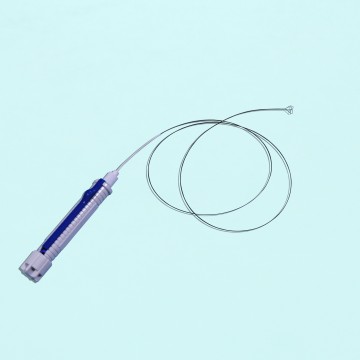
Stone Retrieval Basket-3 Wire
A 3-Wire Stone Retrieval Basket is a minimally invasive surgical device designed to capture and remove stones from the urinary tract, primarily the ureter and kidney. It is a type of ureteroscopic basket used during a procedure called ureteroscopy.
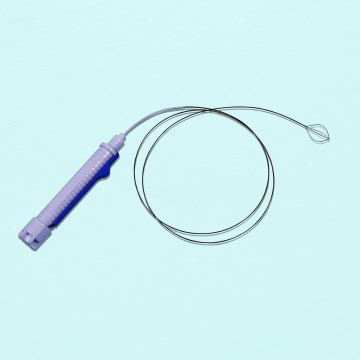
Stone Retrieval Basket-4 Parallel
A 4-Parallel Wire Stone Retrieval Basket is a minimally invasive device used to capture and remove stones from the ureter or kidney during a ureteroscopy. Its defining feature is four wires that run parallel to each other when the basket is open, creating a "cage-like" structure designed for controlled and secure stone entrapment.
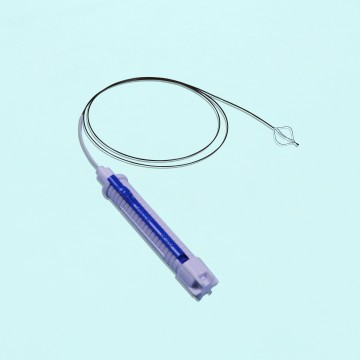
Stone Retrieval Basket-4 Helical
A 4-Helical Wire Stone Retrieval Basket is a minimally invasive device used to capture and remove urinary stones. It features four wires arranged in a tight spiral or helix, designed to provide the secure entrapment of a helical basket with the enhanced stability and strength of a four-wire construction.
Long Term Hemodialysis Catheter
Long Term Hemodialysis Catheter is a specialized medical device used to provide vascular access for patients requiring prolonged hemodialysis treatment, typically for end-stage renal disease (ESRD). It is a flexible tube inserted into a large central vein (such as the jugular, subclavian, or femoral vein) to allow the removal and return of blood during dialysis sessions. Unlike temporary catheters, Long Term Hemodialysis Catheters are designed for extended use, and are tunneled under the skin to reduce infection risks.
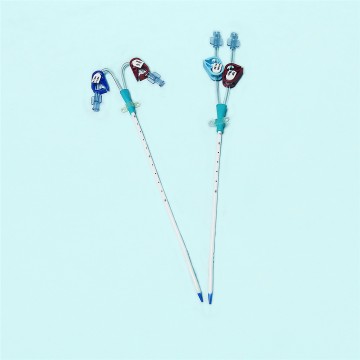
Short Term Hemodialysis Catheter
Short-Term Hemodialysis Catheter is a medical device used to provide temporary vascular access for patients requiring immediate hemodialysis treatment. It is typically inserted into a large central vein (such as the jugular, subclavian, or femoral vein) and is designed for short-term use, usually ranging from a few days to several weeks. Short-term hemodialysis catheters are essential in emergency situations, acute kidney injury, or while waiting for a long-term vascular access solution (e.g., arteriovenous fistula or graft) to be established.
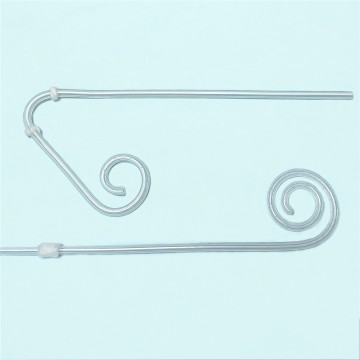
Peritoneal Dialysis Catheter
Peritoneal Dialysis (PD) is a treatment for kidney failure that uses the lining of the abdomen (peritoneum) to filter waste and excess fluid from the blood. It is an alternative to hemodialysis and can be performed at home, offering greater flexibility for patients.
Peritoneal Dialysis Catheter is a flexible tube implanted in the abdomen to facilitate the dialysis process. It allows dialysis fluid (dialysate) to be introduced into and drained from the peritoneal cavity.
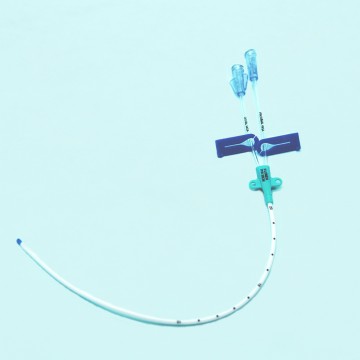
Central Venous Catheter
Central Venous Catheter (CVC), also known as a central line, is a medical device inserted into a large central vein (such as the jugular, subclavian, or femoral vein) to provide direct access to the bloodstream. It is used for a variety of medical purposes, including administering medications, fluids, blood products, or parenteral nutrition, as well as monitoring central venous pressure (CVP). CVCs are essential in critical care, surgery, and long-term treatment settings.
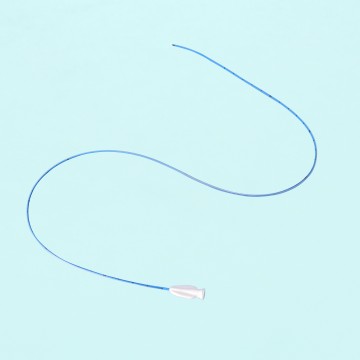
Peripherally Inserted Central Catheter
Peripherally Inserted Central Catheter (PICC) is a long, thin, flexible tube inserted into a peripheral vein (usually in the arm) and advanced until the tip sits in a large central vein near the heart (e.g., superior vena cava, SVC). It provides mid- to long-term venous access for medications, fluids, blood draws, or nutrition.
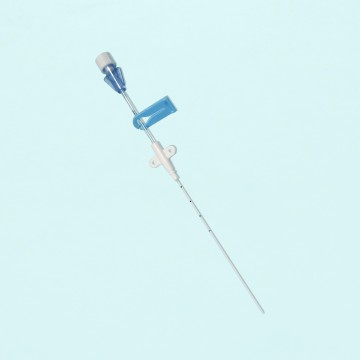
Arterial Catheter
An arterial catheter (also called an arterial line or A-line) is a thin, flexible tube inserted into an artery to monitor continuous blood pressure, obtain frequent blood samples, or assess hemodynamic status in critically ill patients.
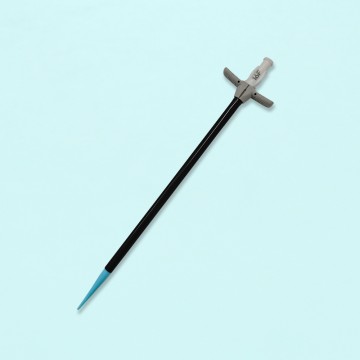
Tear Away Introducer Sheath
Tear-Away Introducer Sheath is a peelable vascular access device used to facilitate the insertion of catheters, wires, or other medical instruments into blood vessels while minimizing trauma. Once the catheter is in place, the sheath is split and removed, leaving the catheter securely positioned.
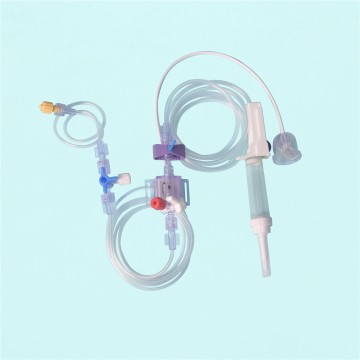
Disposable Blood Pressure Transducer
Blood pressure transducer is a medical device used to measure blood pressure by converting the mechanical force exerted by blood flow into an electrical signal. It is a key component in invasive blood pressure monitoring systems, commonly used in critical care settings such as operating rooms, intensive care units (ICUs), and emergency departments.
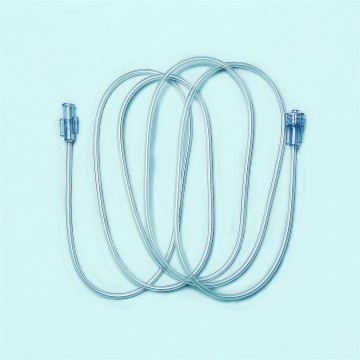
Connecting Tube
Connecting Tubes are essential components used in various devices and systems to transport fluids, gases, or medications within the body or between medical equipment. These tubes are designed to meet strict safety and biocompatibility standards to ensure patient safety and effective treatment.
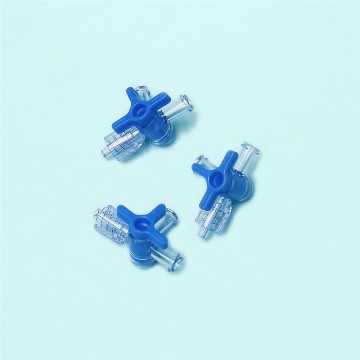
Three-way Stopcock
Three-way stopcock is used to connect with infusion apparatus for the connection and control of intravenous infusion, pressure measurement and so on.The stopcock has three openings (ports) that can be connected to tubing, syringes, or other medical devices. A central handle or lever allows healthcare providers to control the direction of flow by rotating it to align with specific ports.